

مرگ یک داروساز ایرانیِ متقاضی مهاجرت به استرالیا در حملات اخیر؛ صدای معترضان به تأخیر ویزاها بلندتر شد

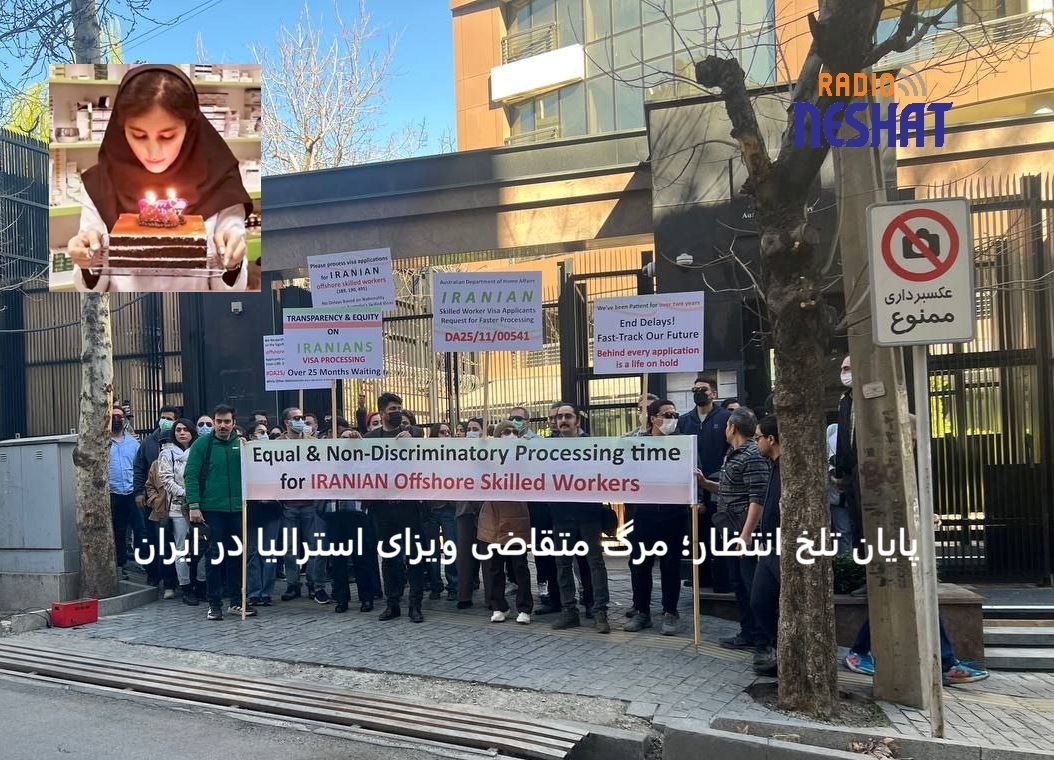
در حالی که صدها متقاضی ایرانی ویزاهای مهارتی استرالیا ماهها و حتی سالها در انتظار پاسخ پروندههای خود هستند، گزارشها از کشته شدن یک داروساز جوان در ایران، که قصد مهاجرت به استرالیا را داشت، بار دیگر ابعاد انسانی این بحران را برجسته کرده است.
بر اساس اطلاعات و مستنداتی که شرکتکنندگان در تجمع متقاضیان ویزاهای مهارتی استرالیا در اختیار رادیو نشاط قرار دادهاند، خانم مائده دهقانی، داروساز ایرانی و از متقاضیان این ویزاها، در جریان حملات اخیر در ایران جان خود را از دست داده است.
طبق این گزارش، وی در زمان وقوع حمله در محل کار خود، یک داروخانه واقع در ساختمان «سحاب پرداز» در محله آپادانا حضور داشته که در اثر اصابت انفجار به دیوار ساختمان، جان باخته است.
مائده دهقانی از جمله متقاضیان ویزاهای مهارتی استرالیا (سابکلاسهای 189، 190 و 491) بوده که ماهها در انتظار بررسی پرونده خود قرار داشت. به گفته نزدیکان او، تنها چند روز پیش از این حادثه، به دوستانش گفته بود:
«شاید ایران خوب نشود و شاید دیگر نتوانیم دور از مامان و بابامون زندگی کنیم.»
این روایت در حالی منتشر میشود که گروهی از متقاضیان ایرانی این ویزاها، اخیراً با برگزاری تجمعی مسالمتآمیز، نسبت به طولانی بودن روند بررسی پروندهها و تفاوت آن با سایر کشورها اعتراض کردهاند.
این افراد با استناد به دادههای رسمی منتشرشده از سوی وزارت امور داخلی استرالیا (Home Affairs) از طریق درخواستهای آزادی اطلاعات (FOI)، اعلام کردهاند که زمان رسیدگی به پرونده متقاضیان ایرانی بهطور قابل توجهی طولانیتر از میانگین سایر ملیتهاست.
در بیانیه این تجمع آمده است:
«ما درخواست امتیاز ویژه نداریم؛ تنها خواهان برخورد برابر، شفاف و منصفانه هستیم. پشت هر پرونده، یک زندگی متوقفشده قرار دارد.»
اکنون، مرگ مائده دهقانی بهعنوان یکی از این متقاضیان، توجه بیشتری را به پیامدهای انسانی تأخیرهای طولانی در روند مهاجرت جلب کرده است.
پروندههایی که روی کاغذ صرفاً «در انتظار بررسی» ثبت شدهاند، در واقع روایت زندگی انسانهایی هستند که آیندهشان در تعلیق مانده است؛ و حالا، در برخی موارد، این انتظار هرگز به سرانجام نرسیده است.
--------------------
An Iranian Pharmacist Awaiting Migration to Australia Killed in Recent Attacks; Voices of Visa Applicants Grow Louder
While hundreds of Iranian applicants for Australia’s skilled visas have been waiting months — and in many cases years — for decisions on their applications, reports of the death of a young Iranian pharmacist who had planned to migrate to Australia have once again highlighted the human cost of these delays.
According to information and documents provided to Radio Neshat by participants in a recent gathering of skilled visa applicants, Ms. Maedeh Dehghani, an Iranian pharmacist and visa applicant, was killed during the recent attacks in Iran.
Based on these reports, she was at her workplace — a pharmacy located in the “Sahab Pardaz” building in the Apadana district — at the time of the incident. She lost her life after an explosion struck the building.
Maedeh Dehghani was among applicants for Australia’s skilled migration visas (subclasses 189, 190, and 491) and had been waiting for months for her application to be processed. According to those close to her, just days before the incident she told friends:
"Perhaps Iran will not improve, and perhaps we may no longer be able to live far from our parents."
Her story emerges as a group of Iranian applicants for these visas recently held a peaceful gathering to protest the prolonged processing times and what they describe as disparities compared to applicants from other countries.
Citing official data released by the Australian Department of Home Affairs through Freedom of Information (FOI) requests, the group states that processing times for Iranian applicants are significantly longer than the average for other nationalities.
In a statement issued during the gathering, they said:
"We are not asking for special treatment. We are asking for equal, fair, and transparent processing. Behind every application is a life on hold."
The death of Maedeh Dehghani, as one of these applicants, has drawn further attention to the human consequences of prolonged delays in Australia’s migration system.
Applications that appear on paper as simply “pending” are, in reality, the lives of individuals whose futures remain uncertain — and in some cases, that wait may never come to an end.