

حفظ بلوغ مدنی؛ چرا جامعه ایرانی در استرالیا باید از درگیریهای خیابانی پرهیز کند

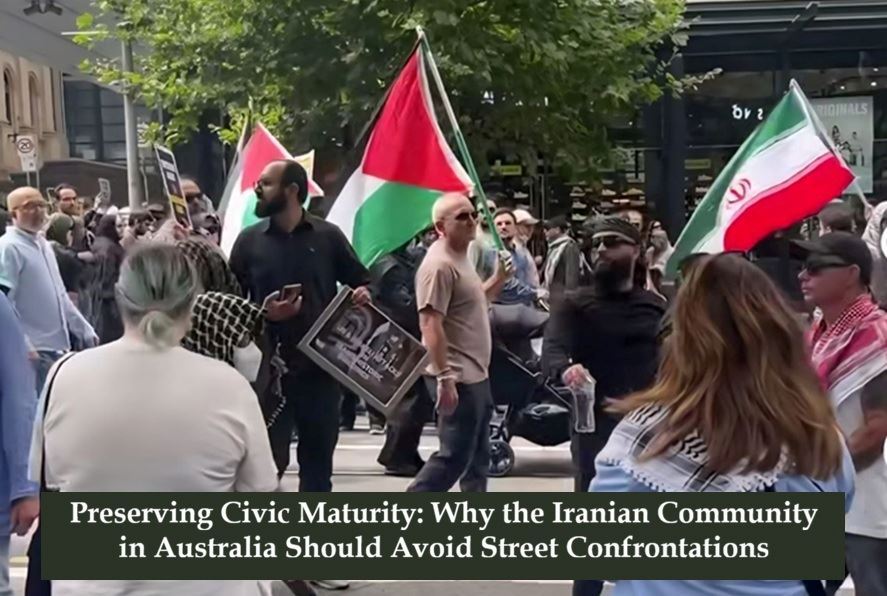
تنشهایی که در تجمع اخیر ملبورن میان برخی گروهها دیده شد، هشداری جدی برای جامعه ایرانی مخالف حکومت اسلامی در استرالیاست؛ جامعهای که تا امروز به خاطر اعتراضهای آرام و قانونمند شناخته شده و اکنون باید مراقب باشد وارد مسیری نشود که پیام مدنی آن را به حاشیه ببرد.
مسعود ظهوری/ رادیو نشاط
در روزهای اخیر، همزمان با برگزاری تجمعهایی در شهر ملبورن، گزارشهایی از تنش میان برخی گروهها منتشر شد. این اتفاق بار دیگر توجهها را به موضوع
مهمی جلب میکند: چگونه میتوان اعتراض مدنی را بدون افتادن در دام درگیریهای خیابانی ادامه داد؟
در سالهای گذشته، جامعه ایرانی در استرالیا بارها برای بیان اعتراض خود نسبت به سیاستهای جمهوری اسلامی یا حمایت از جنبشهای مدنی در ایران به خیابانها آمده است. نکته قابل توجه این است که بیشتر این تجمعها با آرامش، نظم و احترام به قوانین برگزار شدهاند. در بسیاری از موارد حتی پلیس و رسانههای محلی از رفتار مسئولانه و مدنی ایرانیان در این تجمعها یاد کردهاند.
این ویژگی در واقع سرمایه اجتماعی مهمی برای جامعه ایرانی محسوب میشود؛ سرمایهای که نشان میدهد اعتراض میتواند بدون خشونت، تخریب یا درگیری انجام شود.
در مقابل، در برخی تجمعهای دیگر که در سالهای اخیر در استرالیا برگزار شده – بهویژه تجمعهایی مرتبط با موضوعات خاورمیانه – گاهی تنشهایی میان گروههای مختلف دیده شده است. حضور گروههایی با دیدگاههای کاملاً متفاوت در یک فضای محدود، گاه باعث مشاجرههای لفظی یا حتی درگیری میشود.
اما جامعه ایرانی باید به یک نکته مهم توجه کند: درگیری خیابانی تقریباً همیشه پیام اصلی اعتراض را تحتالشعاع قرار میدهد. در فضای رسانهای، تصاویر تنش و درگیری بسیار سریعتر از پیامهای مدنی منتشر میشوند و همین موضوع میتواند تصویری نادرست از یک جنبش ایجاد کند.
از منظر روانشناسی اجتماعی نیز، وقتی یک حرکت اعتراضی وارد چرخه تنش میشود، بهتدریج فضای احساسی و هیجانی بر آن غلبه میکند و امکان گفتوگو، همدلی و حمایت عمومی کاهش مییابد. در چنین شرایطی حتی گروهی کوچک از افراد میتوانند مسیر یک تجمع را تغییر دهند.
در این میان، نقش شبکههای اجتماعی و برخی افراد فعال در فضای مجازی نیز بسیار مهم است. گاهی دیده میشود که برخی افراد یا اینفلوئنسرها از صحنههای تنش فیلمبرداری میکنند و در همان لحظه با فحاشی یا تحریک کلامی واکنش نشان میدهند و سپس این ویدیوها را در شبکههای اجتماعی منتشر میکنند.
این رفتار نهتنها کمکی به فضای مدنی نمیکند، بلکه میتواند پیامدهای گستردهتری داشته باشد. چنین ویدیوهایی به سرعت در میان جامعه ایرانی در استرالیا و حتی در سطح جهانی دستبهدست میشوند. امروزه با وجود ابزارهای ترجمه و فناوریهای مختلف، این محتواها به راحتی ترجمه و منتشر میشوند و ممکن است به شکلهای مختلف مورد استفاده قرار بگیرند.
در نتیجه، یک واکنش احساسی چند ثانیهای میتواند به روایتی بزرگ تبدیل شود که تصویر یک جامعه را تحت تأثیر قرار دهد.
از همین رو، بسیاری از فعالان اجتماعی معتقدند مسئولیت فردی در چنین تجمعهایی بسیار مهم است. پرهیز از فحاشی، پرهیز از تحریک دیگران و حتی دقت در انتشار تصاویر و ویدیوها میتواند نقش مهمی در حفظ فضای آرام و مدنی داشته باشد.
تجربه بسیاری از جنبشهای اجتماعی در جهان نشان میدهد که موفقترین حرکتهای مدنی آنهایی بودهاند که توانستهاند انضباط و آرامش خود را حفظ کنند و اجازه ندهند هیجانات لحظهای مسیر حرکت را تغییر دهد.
جامعه ایرانی در استرالیا تا امروز نشان داده که میتواند نمونهای از یک اعتراض مدنی مسئولانه باشد. حفظ این مسیر نهتنها به اعتبار جامعه ایرانی کمک میکند، بلکه باعث میشود پیام اصلی این حرکتها با وضوح بیشتری شنیده شود.
در نهایت، شاید مهمترین توصیه برای آینده این باشد:
اعتراض مدنی زمانی بیشترین تأثیر را دارد که از خشونت فاصله بگیرد و بر عقلانیت، نظم و احترام به قانون تکیه کند.
-----------------------------------------------------------------------
Preserving Civic Maturity: Why the Iranian Community in Australia Should Avoid Street Confrontations
Tensions observed during a recent gathering in Melbourne serve as a serious warning for the Iranian community in Australia — a community that has long been recognised for organising peaceful and lawful demonstrations. Now, more than ever, it must ensure that it does not drift toward a path where its civil message becomes overshadowed by confrontation.
Masoud Zoohori | Radio Neshat
In recent days, reports have emerged of tensions between different groups during gatherings held in Melbourne. This development once again raises an important question: how can civil protest continue without falling into the trap of street confrontation?
Over the past years, the Iranian community in Australia has repeatedly taken to the streets to express opposition to the policies of the Islamic Republic or to support civil movements in Iran. What is noteworthy is that the vast majority of these demonstrations have been conducted with calm, order, and respect for the law. In many instances, police and local media have even acknowledged the responsible and civic behaviour demonstrated by Iranian participants.
This characteristic has become an important social asset for the Iranian community — an asset that shows protest can be conducted without violence, destruction, or confrontation.
In contrast, some other demonstrations held in Australia in recent years — particularly those connected to Middle Eastern conflicts — have occasionally witnessed tensions between opposing groups. The presence of groups with sharply different viewpoints within the same public space can sometimes lead to verbal disputes or even physical confrontation.
However, the Iranian community must keep one crucial point in mind: street confrontation almost always overshadows the core message of a protest. In the modern media environment, images of conflict spread far more rapidly than the messages of civil activism, often creating a distorted perception of an otherwise legitimate movement.
From a social psychology perspective, once a protest enters a cycle of tension and confrontation, emotional reactions tend to dominate the atmosphere. This reduces the space for dialogue, empathy, and public support. In such circumstances, even a small number of individuals can alter the direction of an entire gathering.
In this context, the role of social media and certain online personalities also becomes significant. At times, individuals or influencers record moments of tension and react with insults or provocative language while filming, later sharing these videos across social media platforms.
Such behaviour does not contribute to a healthy civic environment; instead, it can have wider consequences. These videos can quickly circulate among Iranian communities in Australia and across the world. With modern translation tools and digital technologies, such content can easily be translated, republished, and used in ways that amplify conflict.
As a result, an emotional reaction lasting only a few seconds can evolve into a much larger narrative that affects the public image of an entire community.
For this reason, many social observers emphasise the importance of individual responsibility during public demonstrations. Avoiding insults, refraining from provoking others, and exercising caution when recording or sharing videos can play a significant role in maintaining a calm and civil environment.
The experience of many social movements around the world demonstrates that the most successful civic movements are those that maintain discipline and composure, refusing to allow momentary emotions to divert their course.
So far, the Iranian community in Australia has demonstrated that it can represent an example of responsible civic protest. Preserving this path will not only strengthen the credibility of the community but also ensure that its core message continues to be heard clearly within Australian society.
Ultimately, the most important lesson may be this:
Civil protest is most effective when it distances itself from violence and instead relies on reason, discipline, and respect for the law.