
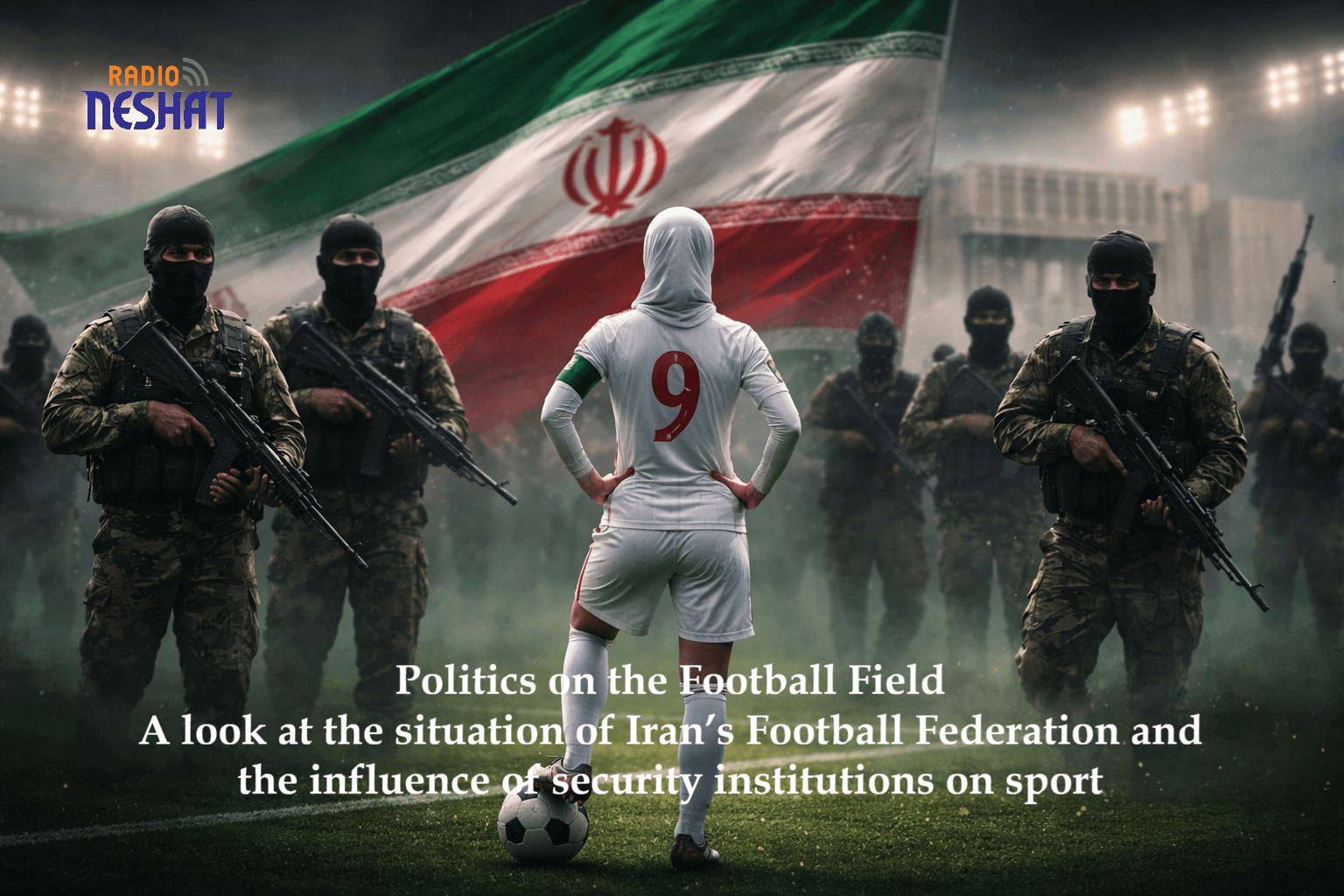
ماجرای تیم فوتبال زنان ایران در استرالیا بار دیگر این پرسش را مطرح کرده است: آیا فدراسیون فوتبال ایران یک نهاد ورزشی است یا نهادی زیر سایه سیاست و امنیت؟
به گزارش رادیو نشاط، فوتبال در جهان به عنوان زبانی مشترک برای صلح، همبستگی و نزدیکی ملتها شناخته میشود. فیفا بارها تأکید کرده است که فوتبال باید از دخالت مستقیم سیاست دور بماند و ارزشهای انسانی و ورزشی بر آن حاکم باشد. با این حال، آنچه در سالهای اخیر در ساختار فدراسیون فوتبال ایران دیده میشود، فاصلهای جدی با این اصول دارد.
در بسیاری از کشورها، فدراسیونهای ورزشی توسط مدیران حرفهای ورزش اداره میشوند؛ اما در ایران ترکیب مدیران و تصمیمگیران اصلی فدراسیون فوتبال اغلب از میان افرادی انتخاب شده که وابستگیهای سیاسی، امنیتی یا حکومتی دارند. حضور چنین افرادی باعث شده بسیاری از تصمیمهای ورزشی نیز از زاویه نگاه سیاسی و امنیتی بررسی شود.
فدراسیونی که بیش از حد سیاسی شده است
منتقدان میگویند در ساختار مدیریتی فوتبال ایران، مرز میان ورزش و سیاست عملاً از بین رفته است. برخی از مدیران و اعضای هیئترئیسه فدراسیون فوتبال پیشینه فعالیت در نهادهای حکومتی، امنیتی یا سیاسی دارند و همین مسئله باعث شده تصمیمهای ورزشی نیز گاه تحت تأثیر ملاحظات سیاسی قرار گیرد.
این وضعیت در سالهای اخیر بارها مورد انتقاد رسانهها و حتی نهادهای بینالمللی قرار گرفته است. فیفا در اساسنامه خود تأکید میکند که فدراسیونهای ملی باید از دخالت مستقیم دولتها و نهادهای سیاسی مستقل باشند؛ با این حال، بسیاری از کارشناسان معتقدند فوتبال ایران هنوز با این استاندارد فاصله دارد.
ماجرای تیم فوتبال زنان ایران در استرالیا
حضور تیم ملی فوتبال زنان ایران در رقابتهای جام ملتهای آسیا در استرالیا نمونهای از چالشهای ناشی از این فضای سیاسی بود.
در یکی از مسابقات ابتدایی، برخی از بازیکنان تیم ملی از خواندن سرود ملی خودداری کردند. این اتفاق واکنشهایی در داخل ایران به همراه داشت و حتی در یکی از برنامههای تلویزیون دولتی ایران، یک مجری اعلام کرد که این بازیکنان باید در دادگاه نظامی محاکمه شوند.
چنین اظهاراتی که به وضوح رنگ و بوی سیاسی و امنیتی داشت، موجی از نگرانی درباره امنیت بازیکنان ایجاد کرد. بسیاری از ناظران ورزشی معتقد بودند تهدید یک ورزشکار به محاکمه نظامی به دلیل رفتار نمادین در زمین مسابقه، کاملاً مغایر با اصول اخلاقی ورزش است.
در همین فضای پرتنش، گزارشها نشان داد که تا این لحظه دستکم هفت نفر از اعضای تیم فوتبال زنان ایران از کاروان جدا شدهاند و در استرالیا ماندهاند. گفته میشود نگرانی از شرایط بازگشت به ایران و فشارهای سیاسی یکی از عوامل اصلی این تصمیم بوده است.
برخی از بازیکنان در گفتوگوهای غیررسمی گفتهاند که در طول سفر نیز فشار و نظارت شدیدی بر تیم وجود داشته است. به گفته آنها، ارتباط بازیکنان با رسانهها ممنوع بوده و حتی در بسیاری از موارد اجازه خروج آزادانه از هتل نیز به آنها داده نمیشد.
به گفته این منابع، فضای حاکم بر تیم در طول اقامت در استرالیا بیشتر شبیه یک محیط کنترلشده و امنیتی بوده تا شرایطی عادی برای یک تیم ورزشی در یک تورنمنت بینالمللی.
سکوت فدراسیون فوتبال ایران
در چنین شرایطی، بسیاری انتظار داشتند فدراسیون فوتبال ایران از بازیکنان خود حمایت کند و در برابر تهدیدهای مطرحشده در رسانههای داخلی موضع بگیرد.
اما منتقدان میگویند فدراسیون نهتنها از بازیکنان دفاع نکرد، بلکه هیچ واکنش جدی در برابر اظهاراتی که خواستار محاکمه نظامی آنها بود نیز نشان نداد.
این سکوت باعث شد برخی کارشناسان بگویند که فدراسیون فوتبال ایران بیش از آنکه نگران منافع و امنیت بازیکنان باشد، نگران ملاحظات سیاسی است.
سؤال از فیفا
در سطح بینالمللی نیز این پرسش مطرح شده است که فیفا تا چه اندازه نسبت به این مسائل حساس است.
فیفا همواره تأکید کرده است که فوتبال باید از سیاست جدا باشد و ورزشکاران باید بتوانند در محیطی آزاد و امن فعالیت کنند. با این حال، برخی منتقدان معتقدند در قبال اتفاقاتی مانند تهدید بازیکنان، فشارهای سیاسی یا حتی نمایشهای نظامی در زمین فوتبال واکنش قاطعی دیده نشده است.
در سالهای گذشته نیز موضوعاتی مانند ممنوعیت ورود زنان به ورزشگاهها در ایران یکی از چالشهای جدی میان فیفا و جمهوری اسلامی بوده است؛ موضوعی که سالها طول کشید تا با فشارهای بینالمللی تغییراتی محدود در آن ایجاد شود.
فوتبال یا ابزار سیاست؟
فوتبال زمانی میتواند به رسالت واقعی خود یعنی تقویت صلح، دوستی و همبستگی میان ملتها عمل کند که از تبدیل شدن به ابزار سیاست و امنیت دور بماند.
آنچه امروز در ساختار فوتبال ایران دیده میشود، برای بسیاری از ناظران این سؤال را مطرح کرده است که آیا فدراسیون فوتبال ایران یک نهاد ورزشی مستقل است یا نهادی که در چارچوب سیاست و ملاحظات امنیتی عمل میکند؟
پاسخ به این پرسش نهتنها برای آینده فوتبال ایران، بلکه برای امنیت و آزادی ورزشکاران نیز اهمیت دارد.
----------------
Politics on the Football Field
A look at the situation of Iran’s Football Federation and the influence of security institutions on sport
The situation surrounding Iran’s women’s national football team in Australia has once again raised an important question: Is the Iranian Football Federation truly a sporting body, or an institution operating under the shadow of politics and security considerations?
According to Radio Neshat, football is widely recognised around the world as a universal language of peace, solidarity and unity among nations. FIFA has repeatedly emphasised that football must remain free from direct political interference and that human and sporting values should prevail. However, what has been observed in recent years within the structure of the Iranian Football Federation appears to be far removed from these principles.
In many countries, sports federations are run by professional administrators with sporting backgrounds. In Iran, however, many of the key decision-makers and senior figures within the Football Federation have political, security or governmental affiliations. The presence of such individuals has meant that sporting decisions are often viewed through a political and security lens.
A federation that has become overly politicised
Critics argue that within the managerial structure of Iranian football, the boundary between sport and politics has effectively disappeared. Some members of the Football Federation’s board and senior leadership have backgrounds in government institutions, security bodies or political organisations, which has resulted in sporting decisions sometimes being influenced by political considerations.
This situation has repeatedly drawn criticism from media outlets and even international observers in recent years. FIFA’s statutes clearly state that national federations must operate independently from direct government or political interference. Nevertheless, many analysts believe that Iranian football still falls short of this standard.
The case of Iran’s women’s football team in Australia
The presence of Iran’s women’s national team at the AFC Women’s Asian Cup in Australia became a striking example of the challenges created by this politicised environment.
During one of the team’s early matches, some players refrained from singing the national anthem. The incident sparked reactions inside Iran, and in one program on Iranian state television a presenter stated that the players should face military court proceedings.
Such remarks, which clearly carried political and security overtones, created widespread concern about the players’ safety. Many sports observers argued that threatening athletes with military prosecution for symbolic behaviour on the field is entirely contrary to the ethical principles of sport.
Amid this tense atmosphere, reports indicated that at least seven members of Iran’s women’s football team have separated from the delegation and remained in Australia. Concerns about conditions upon returning to Iran and political pressure are believed to have been major factors behind their decision.
Some players have reportedly said in informal conversations that the team was under strict pressure and surveillance throughout the trip. According to these accounts, players were prohibited from speaking with the media, and in many cases were not even allowed to leave the hotel freely.
Sources close to the team have described the atmosphere during the team’s stay in Australia as more akin to a controlled and security-managed environment than the normal conditions expected for a national team participating in an international sporting tournament.
The silence of the Iranian Football Federation
Under such circumstances, many observers expected the Iranian Football Federation to defend its players and respond to threats made against them in domestic media.
However, critics say the federation not only failed to support the players but also did not issue any serious response to statements calling for them to face military prosecution.
This silence has led some analysts to argue that the federation appears to be more concerned with political sensitivities than with protecting the interests and safety of its athletes.
Questions for FIFA
At the international level, this situation has also raised questions about how sensitive FIFA is to such issues.
FIFA consistently emphasises that football should remain separate from politics and that athletes must be able to compete in a free and safe environment. However, some critics argue that firm responses have not been seen regarding incidents such as threats against players, political pressure, or even military symbolism appearing in football contexts.
In previous years, issues such as the ban on women entering stadiums in Iran became a major point of tension between FIFA and the Iranian authorities — a matter that took years of international pressure before limited changes were implemented.
Football or a tool of politics?
Football can only fulfil its true mission — promoting peace, friendship and solidarity among nations — when it is kept free from political and security manipulation.
What is currently observed in the structure of Iranian football has led many observers to ask whether the Iranian Football Federation functions as an independent sporting institution, or whether it operates within a framework shaped by political and security considerations.
The answer to this question matters not only for the future of football in Iran, but also for the safety and freedom of its athletes.